Kadiris History London
Kadiri’s: A London Original With a Fifty-Year Story
From East Africa to Willesden
The story begins long before the first pot of biryani was set to simmer in London. Jamal Kadiri arrived from East Africa with little more than grit and a work ethic forged by necessity. He came by ship — a twenty-day voyage — and landed in a city where he didn’t yet speak the language.
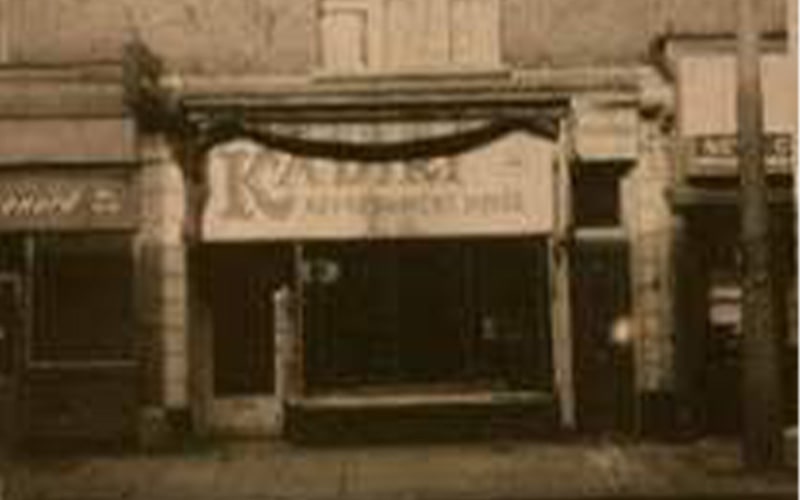
Those early years were not spent behind a restaurant counter. Jamal did factory shifts, tried his hand at minicab driving, and even sold onions and chicken door-to-door. Every pound saved brought him closer to a simple dream: a place of his own. When the opportunity came, he bought a small premises on Willesden High Road and started again from zero.
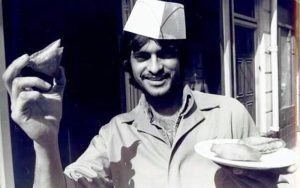
Money was tight. Wages were low, prices even lower — chicken and rice for 50p, samosas for 10p — and there were days when paying staff simply wasn’t possible. Family stepped in. An auntie, his wife, anyone who could lend a hand did so. It was small, honest, and unglamorous — the kind of graft that never makes the headlines but builds institutions.
The Name, The Roots
The Kadiri name travelled with Jamal from East Africa, where it already carried weight within the community. In London, it became a banner for a kitchen that blended Indian heritage with an East African sensibility — flavours layered rather than loud, patient rather than hurried.
Over time the restaurant evolved: styles shifted, a production kitchen was added for events and private contract work, and a culinary school took shape to pass the craft on. Yet the constants remained: the same management, the same work ethic, and a standard of cooking that never chased trends.
Why London Calls It the King of Biryani
Ask any regular what Kadiri’s is known for and the answer arrives before you’ve finished the question: biryani. It’s the dish that made the restaurant and, in many ways, the dish that defines it.
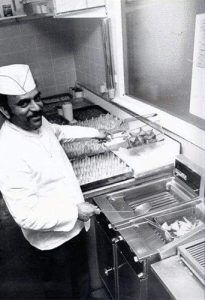
Jamal’s approach is strikingly old-fashioned in the best sense. Spices are blended in-house. Whole aromatics — jeera (cumin), cardamom, cloves, bay — are freshly roasted to wake their oils before being ground. Nothing arrives pre-mixed. Fresh ingredients are a rule, not a slogan. Jamal still calls himself a chef first, and he and his son are hands-on with the masalas; it’s not the sort of job that gets outsourced.
Over the decades, the biryani drew attention well outside the neighbourhood. The title “London’s King of Biryani” stuck — “given to us by Tilda Rice,” as Jamal likes to point out — and it’s been echoed by generations of diners since. He’s never one for bluster, though. “I only cook,” he’ll say. “You decide whether it’s good or not.”
Not Just Biryani, But Always Biryani
Kadiri’s menu has ranged widely — grills, curries, vegetarian dishes, desserts — and the catering arm has cooked everything from Pan-Asian to French and Spanish menus when events demanded it. But whatever the brief, the technique doesn’t change: cook from the heart, season with restraint, respect the ingredient. That’s the thread that runs through the restaurant, the production kitchen and the classes taught under its name.
Still, it’s the biryani that people cross town for. It’s a quiet sort of fame: a handful of regulars who first came in their teens now bring their own children; a passer-by who remembers eating here in 1976 will pop in “just to see if it’s the same”. It is.
A Family Business, In Every Sense
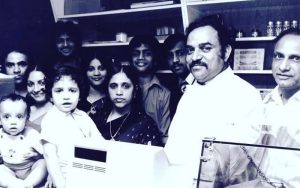
Strip away the accolades and Kadiri’s is a family kitchen. It began with relatives covering shifts when wages wouldn’t stretch and continues with father and son guarding the spice tins. That matters. Recipes are taught, not typed; timelines are measured in decades, not quarters; and change is considered, not chased.
The business has grown carefully. Alongside the restaurant, the state-of-the-art production kitchen handles large-scale event cooking without diluting the craft that built the name. The culinary school channels that knowledge into something shareable, ensuring the next generation learns the slow parts that make the food sing.
Fifty Years On — And A New Chapter
More than half a century since opening day, Kadiri’s is still on Willesden High Road, still doing the unshowy things right. The brand has begun a new chapter too, with a Dubai cloud kitchen bringing a focused menu — biryani, camel biryani and a handful of stews — to a new audience, while the London kitchen keeps the full spread and the original dining experience.
Expansion hasn’t changed the centre of gravity. The London restaurant remains the heartbeat: the place where the spices are still roasted, the rice still cooked to that exact bite, and the standards set in 1974 are kept intact.
What Makes Kadiri’s Different
– Ingredients: fresh, properly sourced, handled with care.
– Spices: blended in-house, roasted whole, never bought pre-mixed.
– Technique: classic methods, patient cooking, no shortcuts.
– Heritage: Indian roots meeting East African influence, expressed in London.
– Ethos: work hard, stay humble, let the food do the talking.
That, in the end, is Kadiri’s. A London original built on family, discipline and an uncompromising biryani — the kind that earns a crown not by proclamation, but plate by plate.